
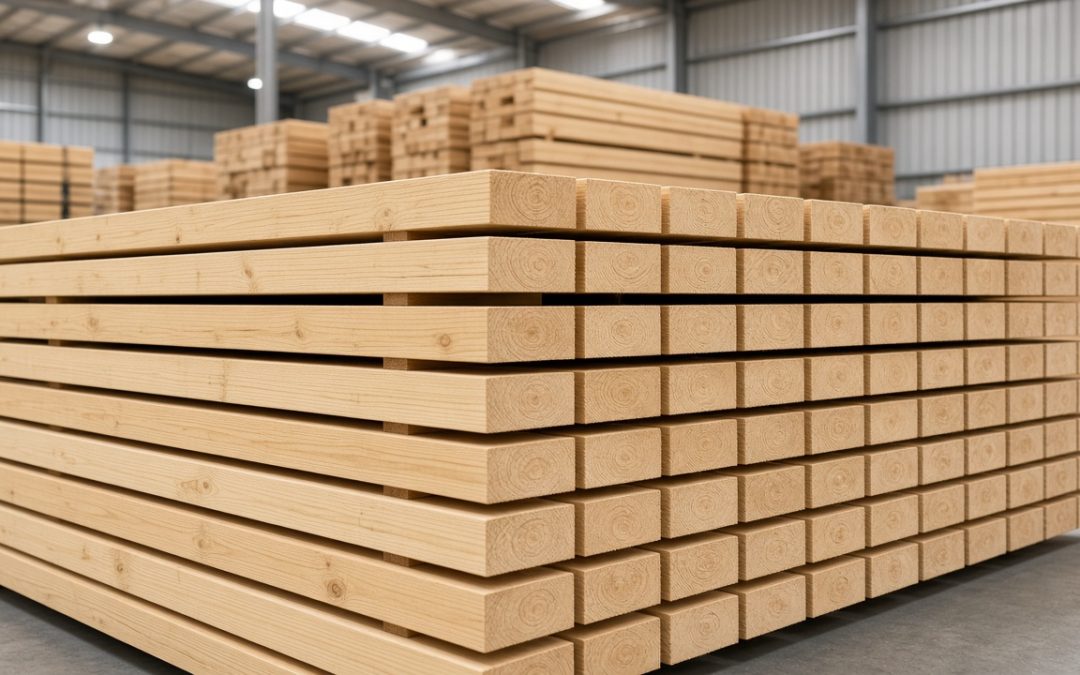
Wall framing sets the tone for everything that follows: drywall alignment, door openings, shear strength, and how straight your finished rooms look. If you have ever fought a wall that waves in and out or spent extra time shimming trim because studs were inconsistent, you already know that not all lumber is interchangeable. Sinclair Apollo Premium Studs are engineered for builders, remodelers, and DIY homeowners who want predictable quality in the studs that carry most of a typical Minnesota home’s load-bearing and partition walls.
Glenbrook Lumber supplies Sinclair Apollo Premium Studs because they solve real job-site problems: tighter grade standards, more uniform dimensions, and lumber that behaves better through our humid summers and dry heating seasons. This guide explains what Apollo studs are, how they differ from commodity framing lumber, and when upgrading your stud package makes financial sense.
What Sinclair Apollo Premium Studs Are
Sinclair Apollo Premium Studs are kiln-dried, machine-stress-rated or visually graded framing members produced to stricter tolerances than standard “stud grade” bundles you might pick from a generic pile. The Apollo line is positioned as premium stud stock—meaning the mill targets straightness, consistent moisture content, and fewer defects that weaken a wall or slow installation.
Most Apollo studs are sold in common dimensional sizes used in residential construction, typically 2×4 and 2×6 lengths from 8 feet through 10 or 12 feet, depending on inventory and project needs. They are intended for interior and exterior wall framing where a straight, stable stud bay saves labor downstream. Apollo is a Sinclair brand product; Sinclair has a long reputation in the Pacific Northwest and national markets for commodity and value-added lumber, with Apollo representing their premium stud offering rather than their entry-level line.
Understanding the product label matters. Premium stud does not automatically mean “structural select” for every application. Your plans, engineer, or local code official still dictate whether you need a specific grade stamp for load-bearing walls, headers, or engineered layouts. Apollo studs excel at giving you cleaner, more uniform material for the bulk of stud walls—especially where appearance and speed matter.
How Apollo Studs Differ From Standard Framing Lumber
The difference shows up in three places: appearance and straightness, moisture consistency, and defect limits.
Standard stud-grade lumber can legally include more wane, larger knots, and greater warp. That is acceptable for many jobs, but it translates into random bow, twist, and cup across a wall line. Apollo premium studs are sorted and manufactured with tighter limits, so crews spend less time culling bad pieces and less time trying to pull crooked studs into plane.
Kiln-drying to a stable moisture range reduces the dramatic shrinkage and checking you sometimes see when green or wetter stock dries unevenly after the wall is closed in. In Minnesota, homes go from cold, dry winter air to humid summer conditions. Framing lumber that starts too wet can move after drywall is hung, producing nail pops and cracked corners. Starting with well-dried, uniform studs is a practical way to reduce callback risk on remodels and custom work.
Premium sorting also means fewer soft spots from knot clusters and less severe crook along the length. For a production builder, that is labor saved. For a homeowner finishing a basement or building a garage, it means fewer trips back to the yard and less frustration on the first wall you frame.
When Premium Studs Pay Off on Minnesota Projects
Not every shed or temporary brace needs premium stock. Apollo studs earn their place when quality and speed compound across many lineal feet of wall.
Whole-home framing and additions. If you are framing multiple walls, gables, and interior partitions, stud quality scales with every plate connection and every sheet of drywall. Straight walls simplify insulation, vapor control details, and air-sealing work that Minnesota energy codes increasingly emphasize.
Remodels with tight finish tolerances. Older homes in the Twin Cities and greater Minnesota often mix uneven existing framing with new walls. Premium studs make it easier to land new work flush with corrected geometry, which matters for kitchen layouts, tiled showers, and built-ins.
Projects where you will not hide imperfections. Open gable walls, tall fireplace surrounds, and areas with heavy trim profiles show waviness. Starting straighter reduces shimming and scribing time.
Owner-occupied DIY with limited framing experience. Crooked stock magnifies small mistakes. More forgiving lumber helps first-time framers build confidence and safer, squarer structures.
If you are building a simple utility wall where nothing will be finished and minor warp is irrelevant, standard stud grade may be enough. Your supplier can help you match grade to the plan set and budget.
Working With Apollo Studs on the Job Site
Treat premium studs like any quality lumber: store them flat, keep them off muddy ground, and stack with stickers if they will sit more than a few days. Even well-dried wood can pick up moisture from rain or snowmelt on a spring job site in Minnesota.
When laying out walls, pull from the stack consistently rather than mixing random lengths from different bundles. Premium lines still vary piece to piece; quick eyeballing while loading the truck saves culling at the wall line. Use established framing practices: crown all studs the same direction, snap straight lines, and avoid over-driving nails that can compress fiber and introduce bow.
For exterior walls, remember that studs are one layer in a system. Sheathing, housewrap, continuous insulation where specified, and proper flashing do the weatherproofing work. Apollo studs help the carpentry; they do not replace WRB details or correct header sizing.
If you need treated bottom plates for concrete contact, fire-rated assemblies, or engineered lumber for long spans, specify those separately. Glenbrook Lumber can bundle Apollo studs with plates, headers, and sheathing so your crew picks up a coordinated package rather than piecing grades together mid-job.
Choosing Lengths, Grades, and Quantities
Order lengths to minimize butt joints and waste. For 9-foot ceilings, 9-foot studs (if available) or optimized combinations of 8-foot and cut pieces reduce labor versus trimming 10-footers everywhere. For tall walls and vaulted spaces, longer lengths in premium grade reduce splice blocks and alignment issues.
Bring your plan takeoff or ask for a lumber list review. Small errors in stud count multiply across floors. Include blocking for tub surrounds, tall cabinets, and shear walls per plan. If you are matching existing wall thickness in a remodel, confirm whether old homes used actual 2×4 dimensions versus modern nominal sizing so drywall and trim still fit.
FAQ
Are Sinclair Apollo Premium Studs worth the extra cost over standard studs?
For most finished residential walls, yes—when you value labor savings and straighter results. The per-piece premium is often small compared to the cost of extra shimming, drywall finishing, and trim labor on a wavy wall. For hidden utility framing, standard grade may suffice.
Can I use Apollo studs for load-bearing exterior walls?
Use them according to the grade stamp on each piece and your approved plans. Apollo premium studs are widely used in bearing and non-bearing walls, but specific loads, snow country design, and engineer details still govern header sizes, stud spacing, and hold-downs. When in doubt, ask your builder or supplier with plans in hand.
How do Apollo studs handle Minnesota’s climate swings?
Kiln-dried premium studs start with controlled moisture content, which helps limit excessive shrinkage after heat goes on in winter. All wood moves somewhat with humidity. Proper acclimation, covered storage, and completing the building envelope help any framing species perform well.
What sizes are typically available?
Inventory varies by season and mill runs, but 2×4 and 2×6 studs in common lengths such as 8, 9, 10, and sometimes 12 feet are typical. Contact Glenbrook Lumber with your list for current Apollo premium stock and lead times.
Do premium studs eliminate the need to check each board?
They reduce the number of rejects but do not replace a quick inspection. Look for excessive bow, twist, or damage from handling. Premium sorting lowers how many pieces you set aside, which is the practical benefit on site.